10 Tips for Buying Carbon Seamless Steel Pipe?

Time:2026-09-17 Author:Amelia
0%

Buying Carbon Seamless Steel Pipe is not simply a search for the lowest price. It is a decision about pressure, temperature, corrosion, and traceability. Every detail can affect service life. A pipe may look perfect on a warehouse rack, yet fail a project requirement because its wall thickness is unsuitable. Metallurgist George Krauss, author of Steels: Processing, Structure, and Performance, stated, “The properties of steels are determined by their composition, processing, and service.” That principle should guide every purchase.

This article presents ten practical tips for selecting Carbon Seamless Steel Pipe with greater confidence. It covers grade selection, outside diameter, wall thickness, schedule, end preparation, and corrosion allowance. It also explains how to review mill test certificates, heat numbers, dimensional reports, and hydrostatic testing records. Do not rely on a polished quotation alone. Ask where the steel was melted, how it was heat-treated, and whether independent inspection is available. A missing certificate matters.

Experienced buyers also compare standards, including ASTM, ASME, API, or project-specific requirements. They check tolerances with calipers, inspect pipe surfaces under clear lighting, and confirm markings against shipment documents. Small mismatches can create expensive delays. No checklist is perfect. Supplier performance, storage conditions, and installation quality still require judgment. Even careful buyers can overlook a detail when delivery pressure increases. These ten tips provide a reliable starting point, not a substitute for engineering review, competent inspection, and honest communication with the manufacturer.
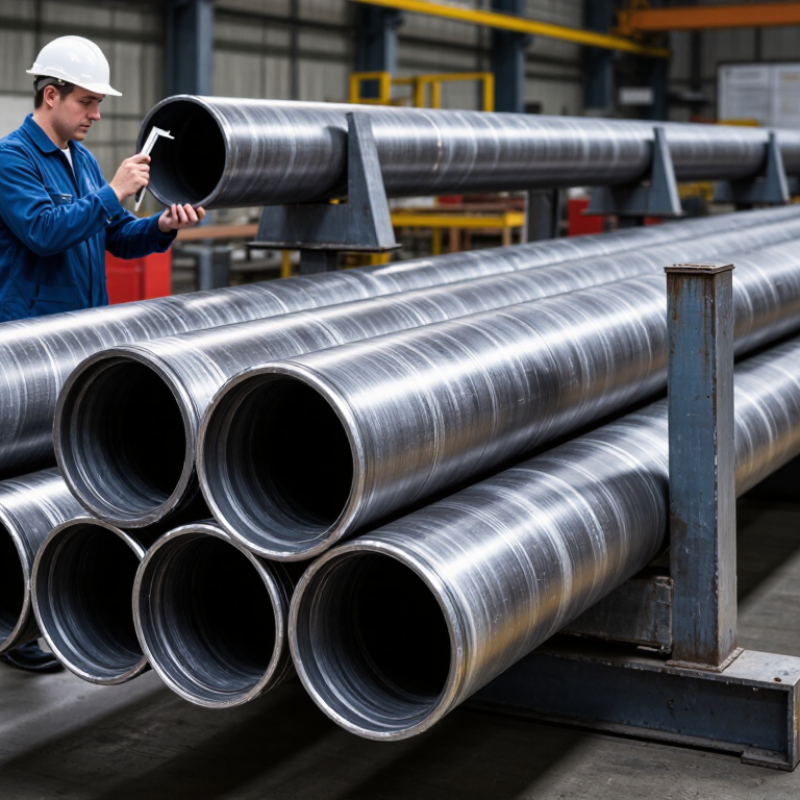
10 Tips for Buying Carbon Seamless Steel Pipe?

Define the Required Grade, Size, and Seamless Pipe Specifications

Buying carbon seamless steel pipe starts with service conditions, not a familiar catalog number. Define grade, size, and specification before requesting prices. ASTM A106/A106M covers seamless carbon steel pipe for high-temperature service. ASTM A53/A53M suits general mechanical and pressure applications. Do not substitute them casually. If the pipe carries steam, water, oil, or gas, record the design pressure, temperature, fluid chemistry, and corrosion allowance. Specify outside diameter, wall thickness, schedule, length, end finish, and dimensional tolerance. ASME B36.10M helps align nominal size and wall dimensions. Nominal size is not the actual outside diameter. That small confusion can distort fit-up.

A useful purchase specification should state testing, heat treatment, and nondestructive examination requirements. For pipeline applications, ISO 3183 defines delivery conditions, testing, and traceability expectations. Request heat numbers and material test reports. Check yield strength, tensile strength, elongation, hydrostatic results, and chemical composition. Numbers matter. The World Steel Association reported approximately 1.89 billion tonnes of crude steel production in 2023. That scale does not guarantee pipe consistency. Process control and inspection still decide reliability. A common mistake is choosing schedule by price alone. A thinner wall may reduce the invoice, yet tolerance and corrosion allowance can change the real calculation. I would also challenge “seamless means flawless.” Manufacturing can still produce dimensional variation or surface defects. Define acceptance limits before ordering, and let the application—not habit—choose the grade.

10 Tips for Buying Carbon Seamless Steel Pipe

Define the Required Grade, Size, and Seamless Pipe Specifications

The chart compares published minimum yield and tensile strength requirements for commonly specified carbon and low-temperature seamless pipe grades. Before purchasing, confirm the applicable standard, grade, nominal pipe size, wall thickness or schedule, length tolerance, end finish, hydrostatic or nondestructive testing requirements, and material test certificate details. Always verify the current standard edition and service temperature with the project specification.

Check Manufacturing Standards, Certifications, and Material Traceability

When buying carbon seamless steel pipe, begin with the applicable manufacturing standard, not the lowest quotation. Confirm the required grade, outside diameter, wall thickness, length, and testing class. Standards may define chemistry, tensile strength, hydrostatic testing, dimensional tolerances, and heat treatment. Ask the supplier to state the exact edition used. An old edition can change acceptance requirements. Check it carefully.

Request certificates that match the order, including a material test certificate, quality-system certification, and any project-specific inspection report. The certificate should show the heat number, product grade, chemical analysis, mechanical results, and test methods. Compare these details with the pipe markings and packing list. A document without traceable identifiers is weak evidence. Certification alone is not proof of every pipe’s condition.

Material traceability follows each pipe from steelmaking to delivery. Keep heat numbers, batch records, inspection results, and nonconformance records together. For critical service, arrange independent verification, such as dimensional checks, hardness testing, or witness inspection before shipment. Photograph markings before coating or bundling. Small errors happen. A missing digit can break the chain. I would also question unusually perfect paperwork, because real production records often contain corrections, dates, and clear approval signatures. Review the supplier’s sampling plan, storage practices, and response to discrepancies. Good purchasing leaves an audit trail that another engineer can understand.

Evaluate Supplier Quality, Production Capacity, and Technical Support

When buying carbon seamless steel pipe, judge the supplier’s quality system before comparing price. World Steel Association data shows global crude steel output reached about 1.89 billion tonnes in 2023. That scale makes traceability essential. Ask for heat numbers, mill certificates, chemical analysis, and mechanical test results for every lot. Verify that certificates match the pipe markings. Small mismatches matter.

Inspect the supplier’s production capacity with evidence, not promises. Request monthly output, available outside diameters, wall-thickness ranges, heat-treatment facilities, and hydrostatic testing records. A serious mill should explain how it controls piercing, rolling, sizing, and straightening. Production capacity must also include inspection capacity. The ISO Survey of Management System Standards reports millions of certified sites worldwide, but certification alone does not prove consistent pipe quality. Review recent audit findings when possible. Factory visits help, though they can create a polished impression.

Technical support is often the overlooked buying factor. Confirm whether engineers can review pressure, temperature, corrosion, welding, and installation conditions. Ask for material selection guidance based on applicable standards, such as ASTM or API requirements. Good support should provide dimensional tolerances, test plans, and corrective-action reports quickly. Keep communication documented. I would also test one sample independently before a large order. It costs time. It may prevent a costly assumption. Supplier evaluation is rarely perfect; even a detailed checklist can miss process drift between production batches.

Compare Pricing, Delivery Terms, Inspection Services, and Total Cost

Buying carbon seamless steel pipe requires more than comparing the quoted price. Confirm the steel grade, outside diameter, wall thickness, length tolerance, and required standard. A low price may exclude cutting, packing, freight, customs charges, or local storage. Ask for a detailed commercial offer with every cost shown clearly.

Delivery terms can change the real purchase cost. Check the production schedule, loading date, shipping route, and agreed delivery term. Request realistic dates, not optimistic promises. I have seen projects lose money because pipes arrived three weeks late. Small differences matter. Include potential costs for unloading, inspection delays, and emergency replacement.

Inspection services protect both quality and cash flow. Request mill test certificates, heat numbers, dimensional checks, visual inspection, and hydrostatic testing where applicable. For critical applications, consider independent inspection before shipment. The report should match the actual bundle markings and quantities. Do not rely on photographs alone. They can hide internal damage.

Compare suppliers by total cost, not unit price. Add payment conditions, rejected-material handling, inland transport, insurance, and storage. A cheaper pipe with inconsistent wall thickness may create welding problems and extra labor. Review at least three comparable offers using the same specifications. My own mistake was treating delivery as an administrative detail; it became the largest unexpected expense.

Confirm Surface Condition, Packaging, Storage, and Long-Term Performance

10 Tips for Buying Carbon Seamless Steel Pipe

Tip 1: Inspect the surface under bright, angled light. Look for longitudinal cracks, deep pits, laps, and heavy scale. A shiny surface can mislead. Tip 2: Check both pipe ends for ovality, dents, and rough cutting. Tip 3: Measure outside diameter, wall thickness, and length at several points. One measurement is not enough. Tip 4: Request inspection records and a mill test certificate. Confirm the heat number matches the pipes and documents.

Tip 5: Examine packaging before shipment. Bundles should use strong straps, protective separators, and weather-resistant covers. Tip 6: Keep threaded or beveled ends protected with suitable caps. Missing caps can allow impact damage and moisture entry. Tip 7: Confirm markings remain readable after handling. Include size, grade, heat number, and quantity. Tip 8: Photograph the bundle before unloading. This simple step supports clear claims if damage appears later.

Tip 9: Store pipes on raised supports, not directly on concrete or soil. Use dry, level sleepers with enough spacing to prevent sagging. Tip 10: Keep carbon steel away from standing water, fertilizers, chemicals, and dissimilar metals. Ventilated storage reduces condensation, but indoor storage is not automatically safe. I have seen rust develop beneath tightly wrapped covers. Inspect stored pipes regularly, rotate older stock, and remove damaged wrapping promptly. Long-term performance depends on more than steel chemistry; surface condition, handling, drainage, and storage discipline all matter.

FAQS

What details should I confirm before comparing carbon seamless steel pipe prices?

Confirm the steel grade, outside diameter, wall thickness, length tolerance, and required standard.

How can delivery terms affect the total purchase cost?

Check the production schedule, loading date, shipping route, and agreed delivery term.

What inspection documents should I request?

Request mill test certificates, heat numbers, dimensional records, visual inspection results, and hydrostatic testing when applicable.

When is independent inspection useful?

Independent inspection is useful for critical applications or large shipments.

How should I compare several suppliers?

Compare at least three offers using identical specifications.

What surface defects should I look for?

Use bright, angled light to check for longitudinal cracks, deep pits, laps, and heavy scale.

How should pipes be packaged and protected?

Bundles should use strong straps, protective separators, and weather-resistant covers.

How should carbon seamless steel pipes be stored for long-term performance?

Store pipes on raised, dry, level supports instead of concrete or soil.

Conclusion

Buying Carbon Seamless Steel Pipe requires more than comparing quoted prices. Start by defining the required steel grade, outside diameter, wall thickness, length, pressure rating, and application conditions. Confirm that the pipe meets the relevant manufacturing standards and request certifications, test reports, heat numbers, and complete material traceability. A reliable supplier should have consistent production capacity, effective quality control, and technical support to help resolve specification or installation questions.

When comparing suppliers, evaluate the total cost rather than the unit price alone. Consider delivery schedules, payment and shipping terms, inspection services, testing requirements, and potential maintenance expenses. Before shipment, confirm the pipe’s surface condition, dimensional accuracy, end protection, marking, and packaging. Proper storage guidance is also important to prevent corrosion, deformation, or contamination during transportation and long-term storage. By reviewing these factors systematically, buyers can select suitable Carbon Seamless Steel Pipe with dependable performance, predictable delivery, and better value throughout its service life.


Amelia

Amelia

Amelia is a seasoned marketing professional with a wealth of expertise in our company’s core offerings. With an unwavering passion for driving growth and innovation, she plays a pivotal role in shaping our marketing strategies and enhancing brand visibility. A key aspect of her responsibilities......