Explore our certified product portfolio engineered for thermal management, structural integrity, and deepwell energy extraction.
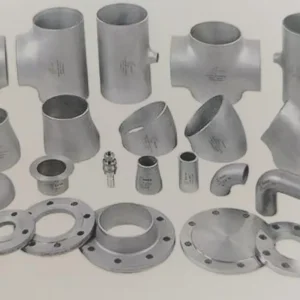
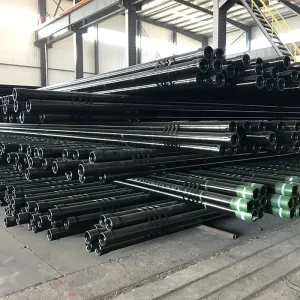
Navigating the intersection of structural efficiency, decarbonization policies, and international engineering compliance.
The global steel pipework manufacturing sector is currently undergoing a paradigm shift driven by stringent decarbonization frameworks, including the European Union's Carbon Border Adjustment Mechanism (EU CBAM), global ESG benchmarking, and strict Scope 1, 2, and 3 emission targets. Low carbon steel pipework—typically defined by carbon content below 0.25% by weight combined with controlled micro-alloying elements—has emerged as the foundational backbone for sustainable infrastructure, hydrogen transit, district thermal networks, and energy exploration.
Modern industrial applications demand pipework that balances high tensile strength, supreme weldability, and resistance to environmental stress cracking without increasing carbon intensity during production. As energy developers shift toward clean-tech deployment—such as green hydrogen blending, high-efficiency geothermal loops, and CCUS (Carbon Capture, Utilization, and Storage)—the procurement specifications for low carbon steel pipes have evolved from simple dimensional tolerances to strict metallurgical purity and life-cycle carbon accounting.
Understanding the material science behind low carbon steel chemistry, grain refinement, and forming processes.
By utilizing direct reduced iron (DRI) and high-purity steel scrap powered by green electricity, EAF routes reduce embodied carbon by up to 70% compared to traditional blast furnace routes.
Strategic addition of Niobium (Nb), Vanadium (V), and Titanium (Ti) refines grain structures, guaranteeing high yield strength while maintaining carbon levels below 0.12%.
Extruded seamless pipes eliminate weld-seam vulnerabilities, making them the preferred choice for ultra-high pressure environments, offshore platforms, and refinery headers.
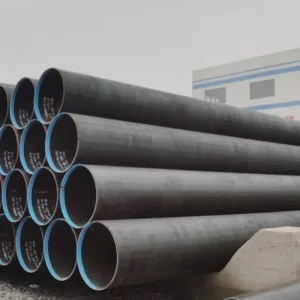
High-frequency Electric Resistance Welding (ERW) and Submerged Arc Welding (SSAW) deliver strict dimensional accuracy and cost-efficiency for large-diameter trunklines.
| Steel Grade Standard | Carbon Content (%) | Yield Strength (MPa) | Tensile Strength (MPa) | Primary Industrial Application |
|---|---|---|---|---|
| ASTM A106 / A53 Grade B | ≤ 0.30 (Optimized ≤ 0.20) | ≥ 240 | ≥ 415 | High-temperature power plants, steam transport, boiler tubes. |
| API 5L X52 / X65 PSL2 | ≤ 0.16 (Low Carbon PSL2) | 360 - 530 | 460 - 600 | Offshore oil & gas trunklines, hydrogen blending infrastructure. |
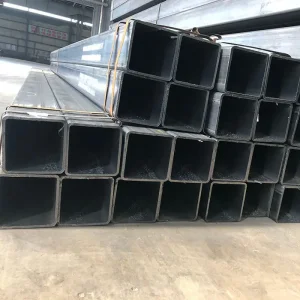
| EN 10210 S355J2H | ≤ 0.22 | ≥ 355 | 470 - 630 | Structural hollow sections, offshore wind jacket foundations. |
| JIS G3454 STPG 370 | ≤ 0.25 | ≥ 215 | ≥ 370 | Medium-pressure utility services, fire protection systems. |
A legacy of technical engineering mastery, international trade excellence, and environmental stewardship.
Established in 2003, Shaanxi Kerlimar Engineers Co., Ltd. has dedicated more than 21 years to pioneering international trade and manufacturing services across carbon steel, alloy steel, and stainless steel seamless/welded piping solutions. Built upon international standards such as ASTM, ASME, EN, JIS, and API, Kerlimar delivers precise metallurgical products designed for high-stress industrial applications globally.
Guided by Chairman Mr. Ming SUN—a passionate environmentalist and technology innovator—the enterprise actively merges heavy industrial piping excellence with renewable energy research. Under his leadership, Kerlimar launched specialized clean energy R&D initiatives focusing on novel vertical axis wind power technologies, orbital maglev suspensions, and structural dynamic lattice frameworks.
This commitment to research has yielded over 40 authorized national patents alongside multiple PCT international applications. Recognized as a national High-tech Enterprise in December 2020, Kerlimar was invited to participate in the prestigious China-Finland High Technology Match Conference (2021), earned the Excellence Award at the 11th China Innovation and Entrepreneurship Competition (2022), and represented industrial clean-tech innovation at the UN Climate Change Conference (COP28 Dubai) in December 2023.
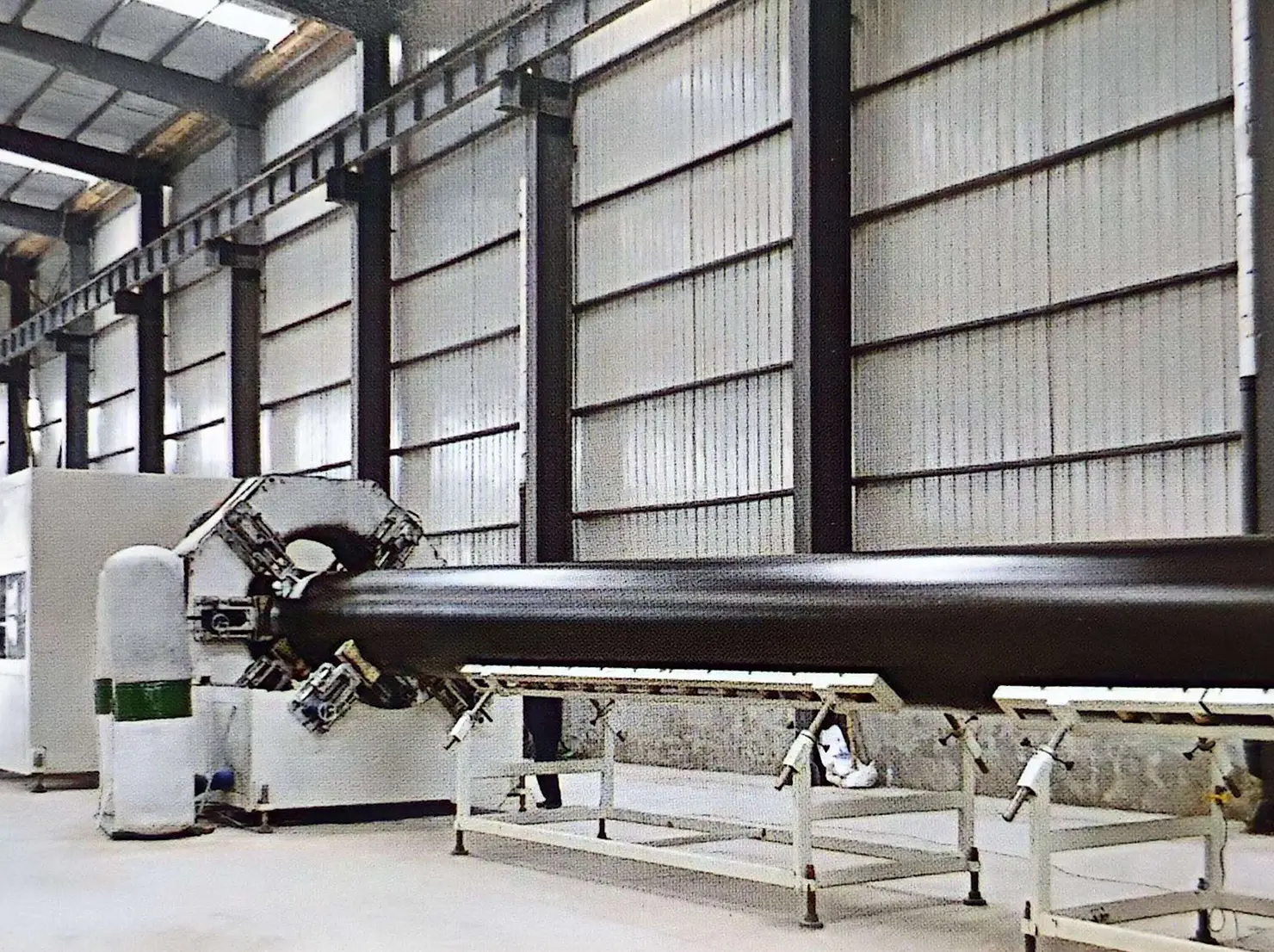
How vertically integrated manufacturing hubs deliver cost advantages, short lead times, and uncompromised quality.
Proximity to major iron ore processing and direct reduced iron plants ensures stable billet supply, shielding buyers from international steel price volatility.
Automated Non-Destructive Testing (NDT)—including hydrostatic testing, ultrasonic examination, and magnetic particle inspection—guarantees zero-defect shipments.
All pipeworks are certified with EN 10204 3.1 / 3.2 Mill Test Certificates, enabling instant compliance approval for European, American, and Middle Eastern EPC contractors.
Deploying specialized low carbon piping solutions across key geographic regions and demanding operational sectors.
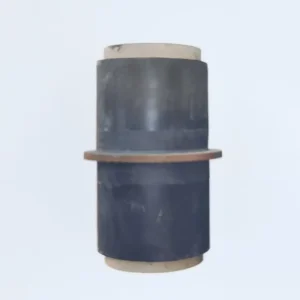
Pre-insulated seamless low carbon pipes deliver optimal thermal retention for municipal district heating networks, reducing line-loss by over 40% in extreme freezing conditions.
Ultra-low carbon steel with specialized internal anti-embrittlement coatings allows safe blending and transport of up to 20% green hydrogen within natural gas pipeline grids.
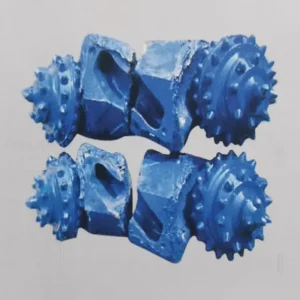
API 5CT compliant seamless casing and tubing withstand high-pressure sour gas environments while minimizing carbon intensity footprint per barrel extracted.
Heavy-wall low carbon steel structural tubes (S355/S460 grades) form the jacket foundations supporting modern high-capacity offshore wind turbines.
Pioneering next-generation metallurgical efficiency and smart structural pipework.
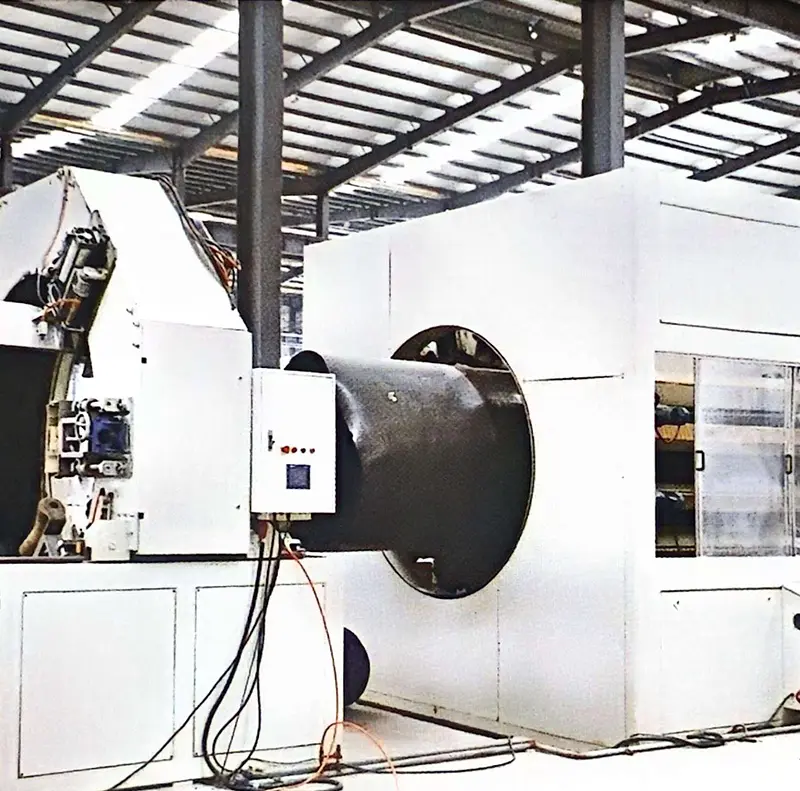
Transitioning primary steelmaking inputs to 100% green hydrogen Direct Reduced Iron (DRI), effectively dropping embodied product carbon dioxide to below 0.4 tons CO2 per ton of finished pipework.
Embedding Fiber-Bragg-Grating (FBG) optical sensors directly within thermal insulation jackets to provide real-time structural health monitoring, strain detection, and leak detection for smart cities.
Leveraging Shaanxi Kerlimar's patented vertical-axis wind energy generators to directly power regional manufacturing centers, achieving fully circular, net-zero industrial production facilities.
Direct engineering answers to technical queries regarding low carbon steel pipe procurement and specification.
Low carbon steel contains a carbon concentration between 0.05% and 0.25% by weight. In industrial piping, low carbon formulations prioritize weldability, ductility, and fracture toughness, reducing the risk of cracking during field welding or high-vibration service.
When subjected to specialized heat treatments such as normalizing or stress relieving, low carbon steels (like ASTM A333 Grade 6) maintain superb impact toughness at temperatures as low as -45°C (-50°F), making them ideal for cryogenic utility systems.
Seamless pipes are extruded from solid billets, eliminating any weld line for maximum pressure containment. ERW (Electric Resistance Welded) pipes are formed from flat steel strips and welded longitudinally, offering tighter wall-thickness tolerances and cost savings for large-diameter lines.
Kerlimar provides comprehensive carbon accounting documentation for all export orders, verifying EAF energy inputs, scrap ratios, and mill-level Scope 1-3 carbon intensity metrics to guarantee smooth customs clearance under CBAM guidelines.
Discover additional structural, thermal, and tubular product options tailored to project requirements.
 Kerlimar